In the manufacturing environment, industrial cleaning is not merely a cleanliness task but an essential component of the operational chain. However, when not properly organized, cleaning activities can generate significant waste (Muda) — increasing costs, reducing productivity, and disrupting production.
Applying Lean Manufacturing principles to factory cleaning helps businesses reduce operating costs by 10–30% while maintaining a safe and efficient production environment.
Seven common types of waste (Muda) in factory cleaning operations:
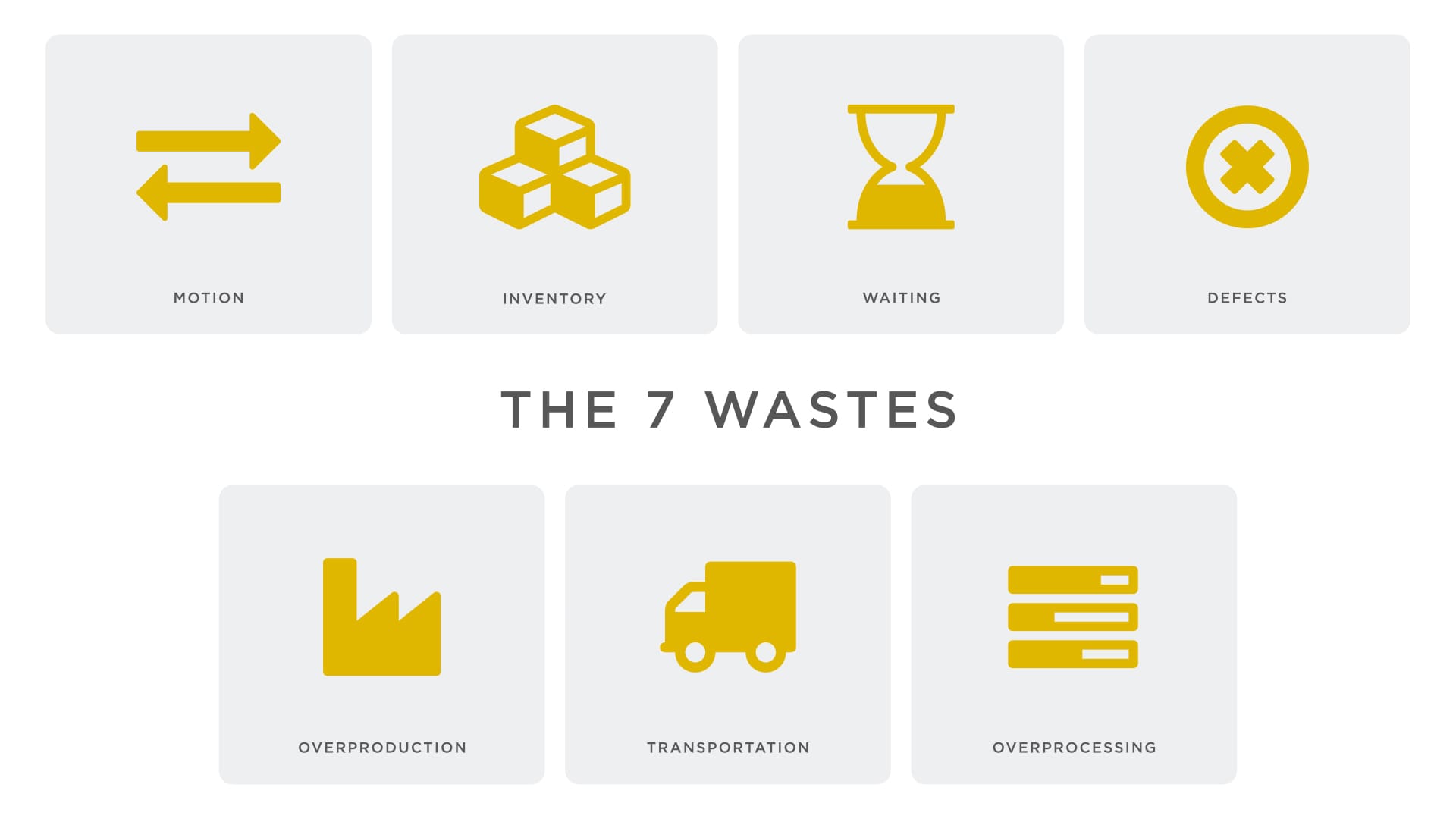
Waste from Excess Motion: Employees move unnecessarily between areas to retrieve tools, chemicals, and machines.
Examples:
– Cleaning supply rooms located too far away
– No organized layout for pads, chemicals, and tools
→ Reduce by setting up Cleaning Stations, applying 5S labeling, and standardizing storage zones.
Waste from Waiting: Cleaning tasks are delayed because of:
– Scrubber-dryer batteries running out
– Chemicals not prepared in advance
– Areas blocked due to maintenance or deliveries
→ Optimize by creating shift-based cleaning schedules, following SOP charging procedures, and using fast-charging Lithium batteries.
Waste from Overprocessing: Performing more steps than necessary or over-cleaning.
Examples:
– Re-scrubbing multiple times due to using the wrong pad
– Using excessively strong chemicals for areas that do not require it
→ Standardize cleaning processes by floor type, soiling level, and GMP/F&B requirements.
Waste from Excess Inventory: Stocking too many chemicals, pads, or accessories increases costs and leads to expired or unused items.
→ Establish consumption norms for each area.
Waste from Defects: Incorrect cleaning results in:
– Chemical residue left on the surface
– Streak marks
– Slippery floors
– Re-cleaning the same area
→ Prevent through proper SOP training and using machines with the correct capacity.
Waste from Underutilized Equipment: Scrubber-dryers and industrial vacuums are:
– Left idle
– Used incorrectly
– Operated below their designed load
→ Improve by assigning equipment according to detailed checklists and following 5S maintenance standards.
Waste from Unnecessary Transportation: Transporting heavy machines long distances or carrying chemical containers across the factory.
→ Reduce with cleaning carts and optimized zone allocation based on workflow routes.
Lean Tools That Improve Cleaning Operations:
5S: Sort, Set in Order, Shine, Standardize, Sustain
→ Creates an organized cleaning environment and minimizes unnecessary effort.
If you want, I can also translate the entire article into a polished, ready-to-post English version or format it as a professional website blog.
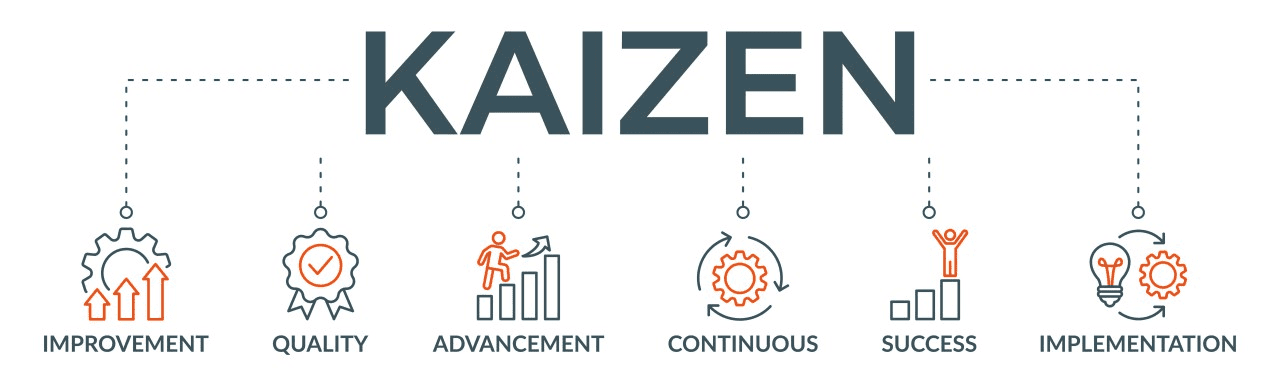
Continuous Improvement: Small daily enhancements such as upgrading SOPs, adjusting cleaning schedules, selecting the correct pad type, and applying new cleaning technologies.
Standardized SOP Framework
Clear specifications on: cleaning frequency, chemical types, equipment required, completion time, and QC inspection criteria.
Performance Control via KPIs:
Cleaning time per area, monthly chemical cost, accessory cost per cycle, machine downtime, and more.
Benefits of Eliminating Muda in Factory Cleaning Operations
– Reduce operating costs by 10–30%
– Increase productivity and shorten cleaning time
– Maintain GMP – F&B – EHS compliance
– Minimize slip accidents and chemical-related risks
– Extend the lifespan of industrial cleaning equipment
– Ensure a clean, safe, and highly controlled production environment
Pan Trading – Comprehensive Provider of Cleaning Equipment & Process Optimization
With nearly 20 years of experience in industrial cleaning, laundry systems, and automation, PAN TRADING JSC delivers end-to-end solutions—from consulting, process design, and SOP standardization to full equipment supply.
Our offerings include:
– Nilfisk industrial scrubbers and vacuum cleaners
– Ecolab cleaning chemicals
– Industrial and municipal sweepers
– Commercial washers – dryers – ironers
– Lean – 5S – Kaizen optimization for cleaning operations
– Operator training to reduce errors and eliminate waste
– Support for measuring cleaning KPIs and proposing continuous improvement
Pan Trading accompanies hundreds of factories in F&B, pharmaceuticals, electronics, and logistics nationwide to build effective, safe, and cost-optimized cleaning systems.
Conclusion
Eliminating waste in factory cleaning operations not only saves costs but also enhances production quality. Applying Lean – 5S – Kaizen correctly transforms industrial cleaning into a true operational asset—aligned with the standards of a modern manufacturing facility.