Environmental pollution is an urgent global issue that severely affects human health and ecosystems. Understanding the causes and consequences of pollution helps us develop effective solutions. This article explores the top 10 major causes of environmental pollution and proposes practical solutions to protect both human health and the environment.
1. Artisanal Gold Mining
Did you know that producing a small gold ring may require up to 2 tons of ore? Artisanal mining often uses mercury to extract gold, leading to severe soil and water contamination. Mercury is highly toxic and can enter the food chain, causing serious health issues.

2. Surface Water Pollution
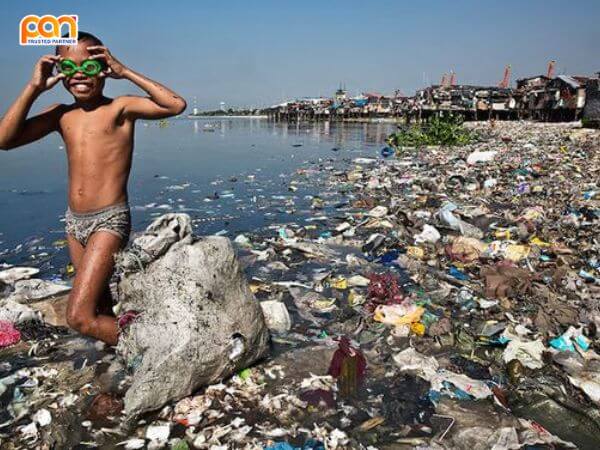
Water is essential for life, but untreated industrial and domestic wastewater is turning rivers and lakes into polluted drains. Contaminated water harms aquatic ecosystems and causes diseases in humans.
3. Groundwater Contamination
Groundwater is a critical clean water source, but excessive extraction and agricultural chemicals are polluting it. Contaminated groundwater can lead to severe illnesses such as cancer, kidney disease, and cardiovascular problems.
4. Indoor Pollution
Indoor air pollution is often overlooked. Many households, especially in developing countries, use coal, wood, or biomass for cooking. This causes millions of deaths annually due to respiratory diseases.
5. Industrial Mining Activities
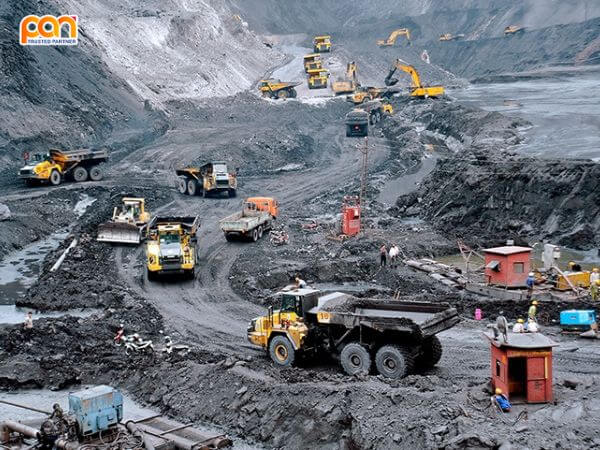
Mining generates large amounts of toxic waste. When waste leaks into rivers, it blocks water flow and contaminates ecosystems, causing long-term health issues.
6. Metal Smelting and Processing
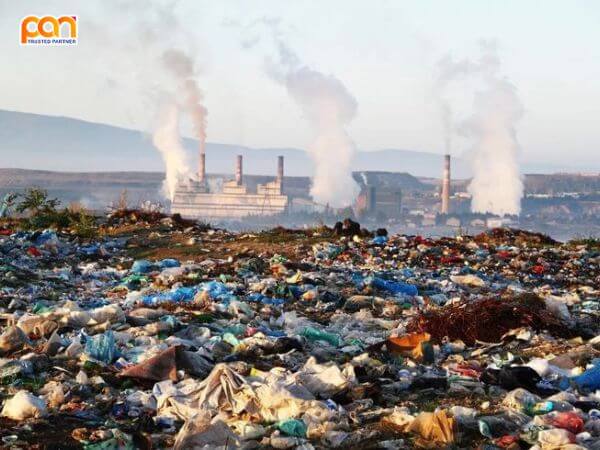
Industrial processes release harmful gases such as CO₂, SO₂, and NOx, contributing to air pollution and negatively impacting human health.
7. Radioactive Waste
Radioactive materials used in energy, medicine, and defense produce hazardous waste that is difficult to dispose of safely. Improper handling can cause long-term environmental damage.
8. Untreated Wastewater
Discharging untreated wastewater into the environment leads to water pollution and spreads diseases such as cholera and hepatitis A.
9. Urban Air Pollution
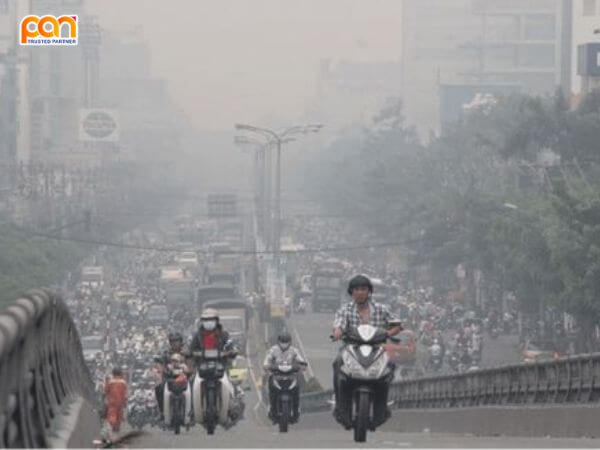
Traffic, industrial activities, and urban living produce large amounts of emissions and fine dust (PM2.5), especially in major cities, causing respiratory and cardiovascular diseases.
10. Battery Recycling (Lead Exposure)
Improper recycling of car batteries exposes workers to lead poisoning. Long-term exposure can cause serious health issues, including neurological damage.
Solutions to Reduce Environmental Pollution
-
Reduce fossil fuel consumption by switching to renewable energy sources like solar and wind power
-
Promote public transportation and eco-friendly mobility
-
Improve waste management systems (recycling, classification, treatment)
-
Adopt sustainable agriculture and reduce chemical use
-
Raise environmental awareness through education and campaigns
Impacts of Environmental Pollution
Impact on Human Health
Pollution causes respiratory diseases, cancer, cardiovascular issues, and neurological disorders.
Impact on Ecosystems
It leads to biodiversity loss, ecosystem imbalance, and destruction of natural habitats.
Role of Government and Community
Community Role
Communities can reduce pollution through recycling, energy conservation, and environmental campaigns.
Government Role
Governments must enforce environmental laws, invest in green technology, and promote sustainable development.
Conclusion
Environmental pollution is a major global challenge requiring collective action. From individual habits to national policies, every effort matters in creating a cleaner and healthier planet for future generations.